February fishing in Fort Myers is late-winter fishing at its most dependable. The water is often clear, the crowds are lighter than peak spring, and the fish settle into patterns that repeat day after day. If you focus on structure, moving water, and the warmest pockets in the system, you can put together consistent inshore action with a real shot at quality fish.
If you like planning around what’s happening right now, start with the latest updates on the KingFisher Charters fishing reports and articles page. For a full season overview of what winter looks like across Fort Myers, Sanibel, Captiva, Pine Island Sound, and nearshore structure, read winter fishing in Fort Myers. If you are comparing month-to-month patterns, January fishing in Fort Myers is a helpful companion read because February is often the “same playbook, slightly better conditions” month.
What Makes February Fishing Different Than January
January is usually the coldest stretch. February still has fronts, but you typically get more stable windows between them, longer afternoons, and more opportunities for fish to slide shallow and feed. In practical terms, that means:
Sheepshead stay strong and can be excellent around structure, especially when water clarity is good. Trout and redfish often set up on predictable edges and potholes where they can move between depth and warmth. Snook are still a “pick your spots” target, but warming trends can bring them to life in the middle of the day. When the Gulf lays down, nearshore reefs and wrecks can turn into a steady mixed-bag bite.
If you want a broader January to February species overview for Southwest Florida, New Year’s fishing charters and Jan-Feb species to expect in SW Florida lays out the late-winter lineup and why these months are so productive when you fish with the season instead of against it.
What’s Biting in Fort Myers in February
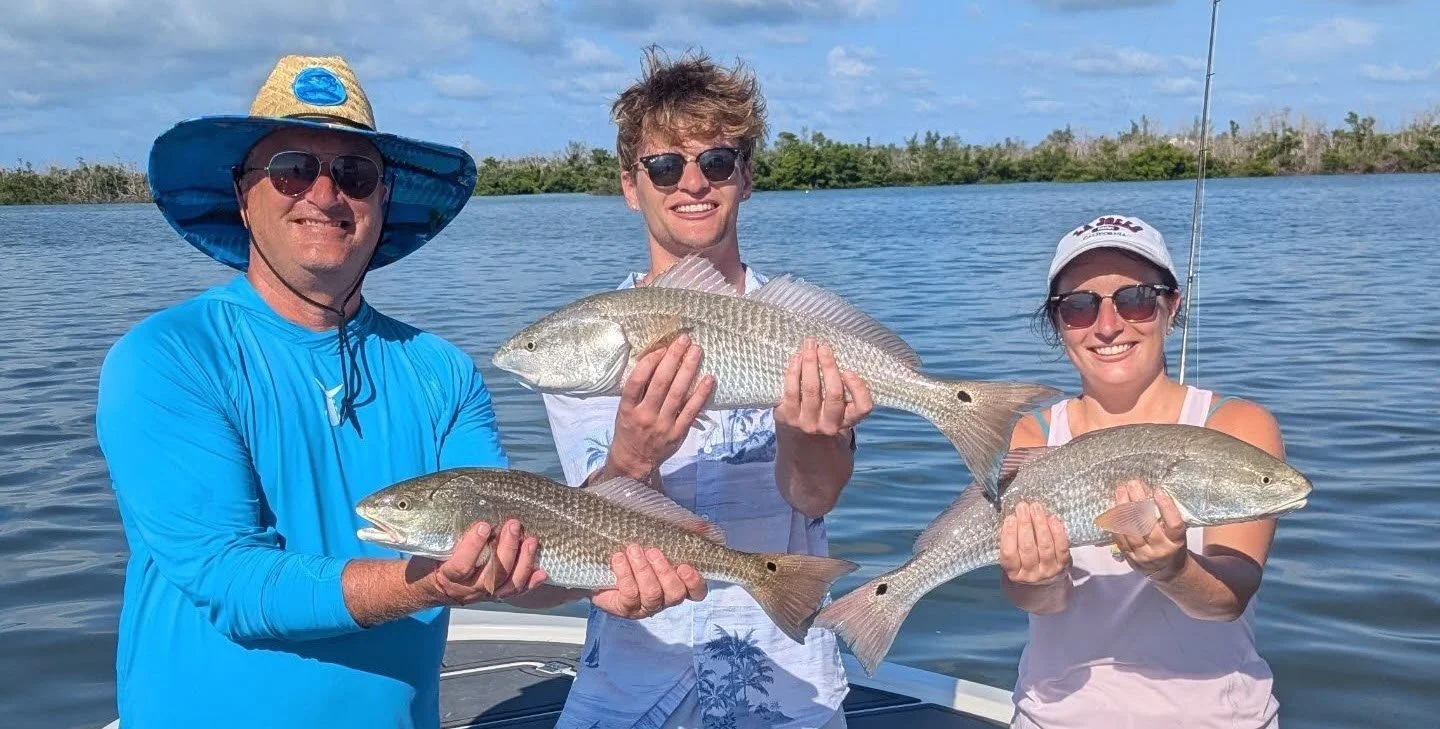
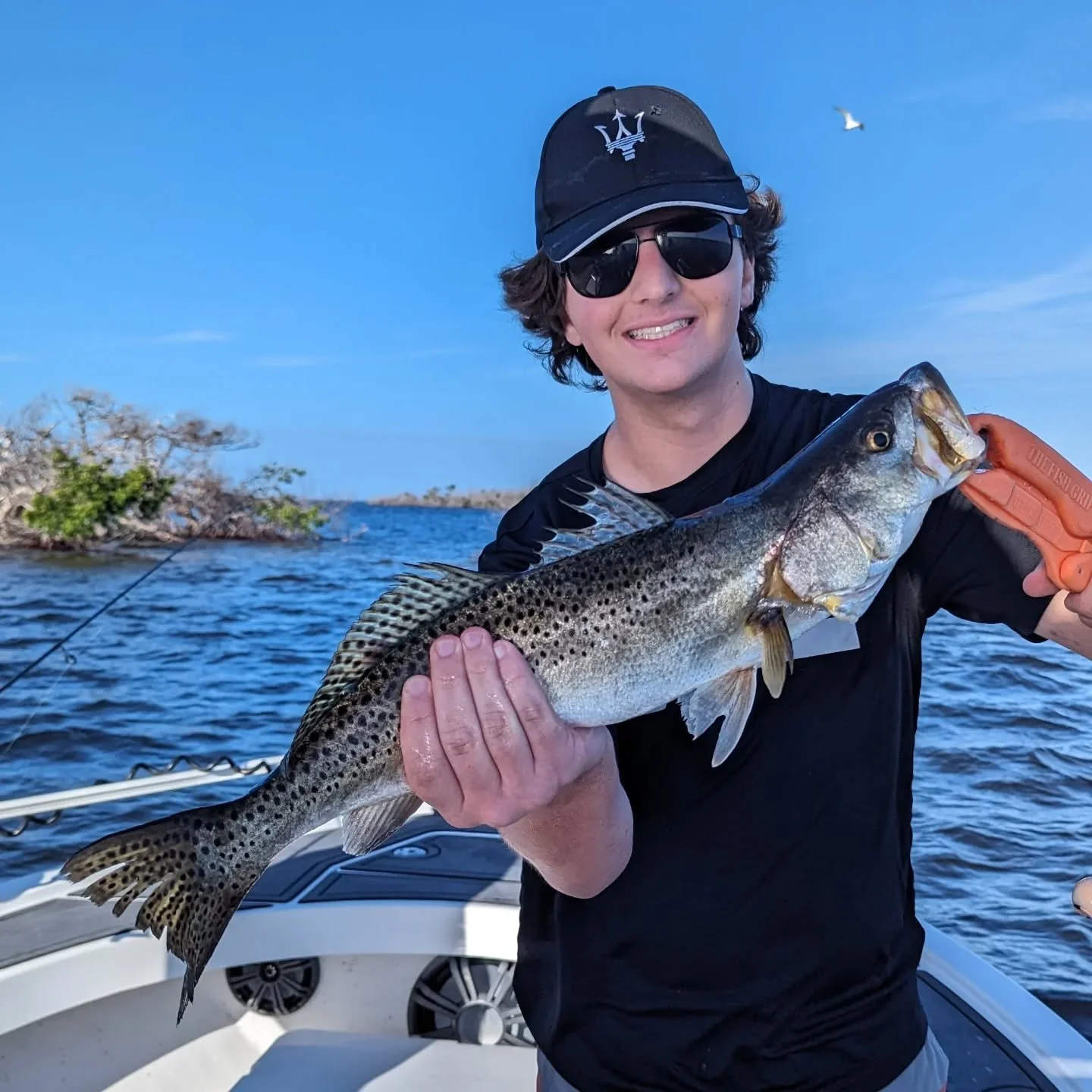
February is an inshore-first month for most anglers, with nearshore opportunities whenever the weather gives you a comfortable run. The inshore “core four” is hard to beat: sheepshead, spotted seatrout, redfish, and black drum. Snook are the wildcard, and February is one of the best times to target them patiently for quality fish in lower numbers.
| Species | Where to focus in February | Best windows | High-percentage baits and presentations |
|---|---|---|---|
| Sheepshead | docks, bridge pilings, seawalls, rock, oyster edges, nearshore structure | moving water around structure, especially on stable weather days | live shrimp or shrimp pieces fished tight to structure, light but controlled bottom rigs |
| Spotted seatrout | deeper grass flats, sand potholes, edges that drop into troughs | mid-morning through afternoon on colder weeks, steady tide movement | live shrimp under a cork, soft plastics worked slow, twitch baits with longer pauses |
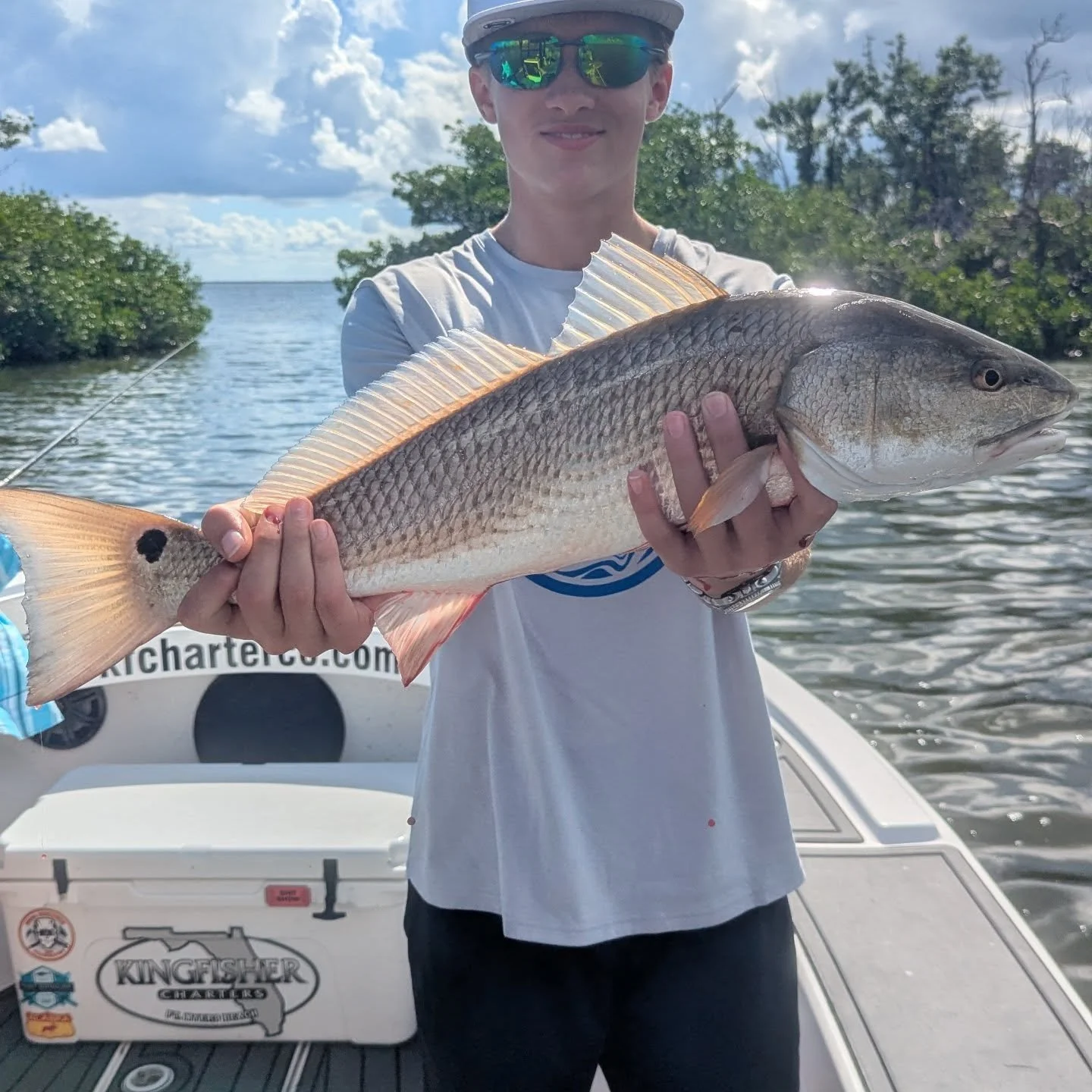
| Redfish | mangrove points, oyster bars, warm shorelines, grass and sand transitions | sunny afternoons and warming trends after fronts | live shrimp, cut bait, soft plastics, slow presentations along edges |
| Black drum | deeper holes, bottom structure, edges near sheepshead water | stable conditions, afternoon warmth, and slower current windows | shrimp on bottom, patient presentations kept close to the fish |
| Snook | deeper canals, rivers, back bays, and warmer pockets with bait | warm spells and the warmest part of the day | live shrimp or small baitfish, slow and precise casts to cover and current seams |
| Nearshore mixed bag | reefs and wrecks off Sanibel, Captiva, and Fort Myers Beach | calm Gulf windows and manageable current | bottom fishing and drift tactics for species like snapper, permit, sheepshead, jacks, and mackerel |
Sheepshead in February: Structure Fishing That Stays Reliable
If you want the steadiest February bite, it’s hard to beat sheepshead. They thrive in cooler water, they stack around barnacle-covered structure, and they reward anglers who fish with focus. The key is simple: keep the bait near the structure without snagging constantly, and stay ready for that subtle bite. Many misses in sheepshead fishing are not “they didn’t bite,” it’s “they bit and you never knew it.”
February is also a month where sheepshead can overlap with other winter species around the same areas. It is common to pick up black drum and snapper while targeting structure. If you want to build a trip that includes both inshore structure and a possible reef and wreck run, the full list of Fort Myers fishing charters and tours is a good place to compare trip styles.
Spotted Seatrout: Potholes, Edges, and Clear Water Advantages
Winter and late winter are prime conditions for trout in this region, especially when water clarity improves. Trout commonly hold around sandy potholes surrounded by grass, and they use subtle depth changes like a highway system. In February, the best approach is often a steady drift or controlled movement along edges that let you cover water without rushing the presentation.
If you enjoy the visual side of winter fishing, this is one of the best times of year to lean into it. Sight fishing the winter waters of Sanibel and Captiva is a great read if you want to understand how clear water changes everything from positioning to lure cadence.
Redfish: Warm Shorelines and Oyster Edges
Redfish do not disappear in winter. They slide to stable water and then feed aggressively when conditions line up. In February, that usually means sun-warmed shorelines, mangrove points that break current, and oyster edges that hold crabs and shrimp. A slow presentation that stays in the strike zone often outperforms anything fast, especially right after a front.
If redfish are your main goal, the Fort Myers redfish fishing guide goes deeper on where reds set up locally and how their behavior changes with seasons and temperature.
Black Drum: The Quiet Heavyweight of Late Winter
Black drum are a perfect February target because they are comfortable in cooler water and they commonly share habitat with sheepshead and redfish. They tend to be a little more bottom-focused and a little more patient. That’s why shrimp fished near bottom structure is such a consistent approach. When drum are in the mood, the bite can feel steady and the fight can feel serious.
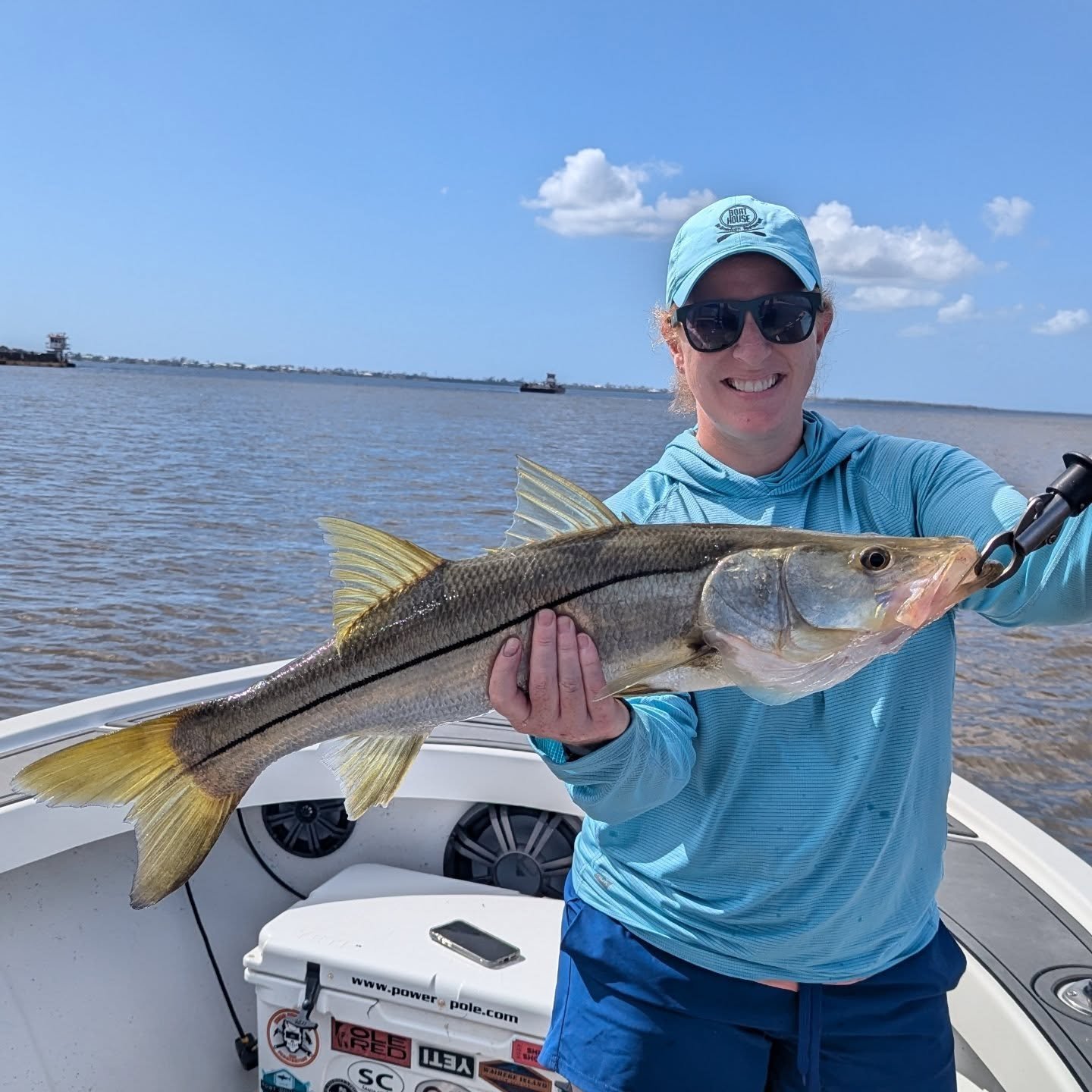
Snook in February: A Smart, Patient Target
Snook are more sensitive to cold than many other inshore species, but they never vanish from the Fort Myers system. In February, the most consistent snook opportunities usually come from deeper, more stable water in canals, rivers, and protected back bays, especially during warming trends. If you approach February snook with realistic expectations, fewer bites but higher quality fish, it can be one of the most rewarding winter targets.
The winter overview in winter fishing in Fort Myers explains the snook pattern well and why mid-morning through late afternoon is often the best window in colder stretches.
Inshore Areas That Shine in February
The Fort Myers region gives you a huge advantage in winter because you can tuck into protected water when the wind is up, and you can still find productive structure and tide movement close to home. February success usually comes from picking the best water for the day, not forcing one location.
Pine Island Sound, San Carlos Bay, and the inshore waters around Sanibel and Captiva offer grass flats, potholes, and mangrove edges that consistently hold winter fish. Residential canal systems and river edges can be excellent after cold snaps. Bridges, causeways, docks, and passes funnel tide and concentrate bait, which makes them natural late-winter hotspots.
If you want to fish these areas with a plan built around winter species and conditions, start with inshore fishing charters in Fort Myers. If you prefer a general overview of options across the region, Ft. Myers fishing charters lays out the main trip styles and what they are designed to target.
Nearshore Fishing in February: When the Gulf Cooperates
When the wind lays down and the sea state is comfortable, February nearshore fishing can be one of the most productive ways to spend a winter day. Reefs and wrecks concentrate life in winter, and structure fishing can produce a steady mix of bites. This is also a great option when you want action, variety, and a chance at larger fish without running far offshore.
For that style of trip, take a look at nearshore fishing charters, and if you want to compare all trip types on one page, the charters and tours overview shows how inshore, nearshore reef and wreck trips, and seasonal specialty trips fit together.
If you are still deciding which approach fits your group, inshore and nearshore fishing off the coast of Ft. Myers is a simple breakdown of how those two fisheries differ and what you can expect from each.
A Simple February Fort Myers Fishing Playbook
- Fish the warmest part of the day on colder weeks. Mid-morning through late afternoon often outperforms sunrise after a front.
- Let tide movement pick your spots. Passes, pilings, and creek mouths produce best when water is moving.
- Lean on structure for consistency. Docks, bridges, oyster edges, and seawalls can hold sheepshead, drum, and snapper all month.
- Slow your presentations down. Winter fish will eat, but they rarely want a bait racing past them all day.
- Use clear water to your advantage. Focus on potholes, grass edges, and visual targets when visibility improves.
- Keep a nearshore option in your pocket. Calm Gulf windows can turn reefs and wrecks into a nonstop mixed-bag bite.
What to Bring for a February Charter
February in Southwest Florida can feel chilly on the ride out and comfortable by lunch. Dress for wind, bring layers, and you will enjoy the day a lot more. KingFisher Charters trips are set up so you can focus on fishing, but a few personal items make a big difference.
- layers plus a windproof outer shell for the morning run
- polarized sunglasses for spotting potholes, edges, and fish in clear water
- closed-toe shoes with good grip
- sunscreen and lip balm, winter sun still counts
- snacks and drinks your group actually likes
- any motion sickness prevention you trust if you are unsure
Book a February Fishing Trip in Fort Myers
February is one of the best months to book because the patterns are predictable and the fish are concentrated. Whether you want an inshore day chasing winter favorites or a nearshore reef and wreck run during a calm weather window, the goal is the same: match the plan to the conditions and fish the highest-percentage water first.
To lock in a date, explore your options on the fishing charters and tours page, then reach out through the KingFisher Charters contact page to line up the best February plan for your group.